
Why Men Love War: The Fight Response, Narcissism, and Unprocessed Trauma
Written by Roland Bal
A dialogue means to hold space, to listen, and to learn from one another. It is a process of creating synergy in which you come from a place of not knowing, while sharing your thoughts and feelings and allowing them to be reflected upon by another person.
A discussion is to hold an opinion and pit it against somebody else's for the sake of argument, in order to gain the upper hand. It is the attempting to establish your "truth" by dominating the other person.

War, Unprocessed Trauma, and the Movement of Opposites
My stance is that the root of all war is unprocessed trauma. When dialogue is absent or becomes discussion, self-righteousness and self-importance take precedence. Self-righteousness is an outcome of uncontained and unresolved anger.
Think opposites: when you are made to feel small, you want to feel significant. In light of trauma, this movement of opposites goes to extremes.
Self-righteousness is an outcome of uncontained and unresolved anger. When you are made to feel small, you want to feel significant.
Survival Strategies and Identification
We "choose" a survival strategy that best fits our situation, and that we can identify with. If you grow up with a father who is overbearing, belittling, controlling — who consistently tries to dominate everything and everyone — it is likely you will adopt a similar fight approach in order to live up to that standard.
If you have a father who is overbearing, belittling, and controlling toward you but acts submissive, reclusive, and isolating toward others, you might adopt a flight strategy to deal with your ongoing stress instead. You "choose" either fight, flight, or fawn response (please-appease) to survive ongoing traumatic stress. That choice is further influenced by whom you identify with in your direct surroundings when you are young.
The Fight Response and the Need for Control
When your survival strategy is to fight — in order to compensate for an internal childhood experience of feeling unworthy — you will be constantly on the lookout for opportunities to gain dominance and control. That need for control is your way of avoiding your residual emotional pain.
The perpetuation of those survival patterns through a fight response possibly contributes to the making of narcissists and psychopaths. Conflict, and the overcoming of that conflict, will continue to be your prime motivation, and also the mechanism through which you avoid your emotional pain.
This is why men need war. And this is why trauma is at the root of it.
The Flight and Fawn Responses
It isn't just those who have a fight survival response as their main character drive who are doing the damage, though. Those who default to a flight or fawn response are equally contributing to the state of affairs that our personal and collective relationships are in.
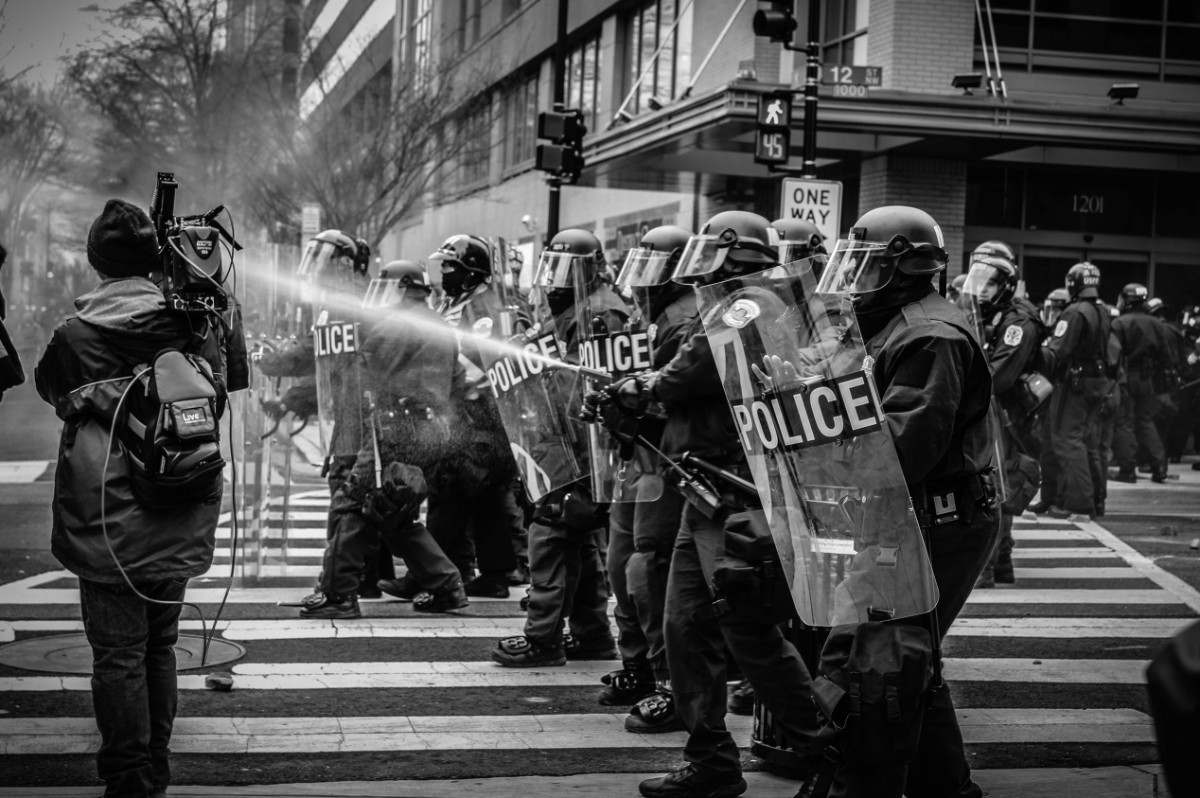
How the Fight and Fawn Responses Lock Together
When you "choose" the act of not acting — neglect — you fail to set boundaries and give healthy feedback to those who tend to act out of their fight response. Meanwhile, those who act out of a fight response and do not consider another person's well-being push those with a flight-fawn response further inward. Hand in glove.
There is a need for both sides to learn how to build better relationships that tend toward dialogue, rather than discussion.
Cultivating the Other Responses
It is only when you willingly start to take that journey inward — as opposed to projecting, reenacting, and reinforcing your traumatic patterns outwardly — that you can start to move away from a fixed fight, flight, or fawn response.
When you move away from your fixed survival response, you can start to balance out your default character structure by engaging some of its opposites. If you hold and work through the traumatic residue that relates to your default fight response, you will perhaps be able to be more compassionate — a healthy fawn quality — and hold yourself in abeyance — a healthy controlled flight quality. Equally so, if your default is flight or fawn, you need to learn to reestablish boundaries — a healthy fight quality — and thereby reclaim a sense of self and self-worth.
Ready to Go Deeper into Narcissistic Abuse Recovery?
If you're tired of cycling through the same patterns — giving too much, attracting the wrong people, feeling stuck — there's a structured way through.
The Healing from Narcissistic Abuse program combines cognitive understanding with somatic techniques to address both the mind and the body.
You'll learn:
- ✦Why you please-appease and how it ties to your need for belonging
- ✦How to process the core emotions driving these patterns
- ✦How to set boundaries through accessing anger constructively
- ✦How to rewire survival responses to healthier levels
- ✦How to move from codependency to independence



5 Comments
Great article thank you Roland.
Welcome!
This reminds me of The Origins of War in Child Abuse by Lloyd DeMause. A brutal read but an interesting perspective.
Haven't read. Thanks for sharing.
Lloyd de Maude also wrote his surprising findings in his significant research on the history of childhood uncovering abuse and infanticide of children as a universal phenomenon across all cultures including aboriginal.
Leave a Comment