
Childhood Neglect: How It Hijacks Your Sense of Self and Nervous System
Written by Roland Bal
Child neglect and abuse often go hand in hand. What makes severe childhood neglect stand out, though, is that it hijacks the development of your identity and sense of self. With abuse, you still have a reference point as to who you are and "that" you are. Even if that is through negative attention. With severe neglect that reference is missing.
In childhood, your brain and nervous system are busy laying down neural pathways. You are dependent on your environment for a stimulus to promote that growth of the neural pathways in your brain and nervous system. When there is a lack of input and stimulus, that translates into stunted growth in those areas.
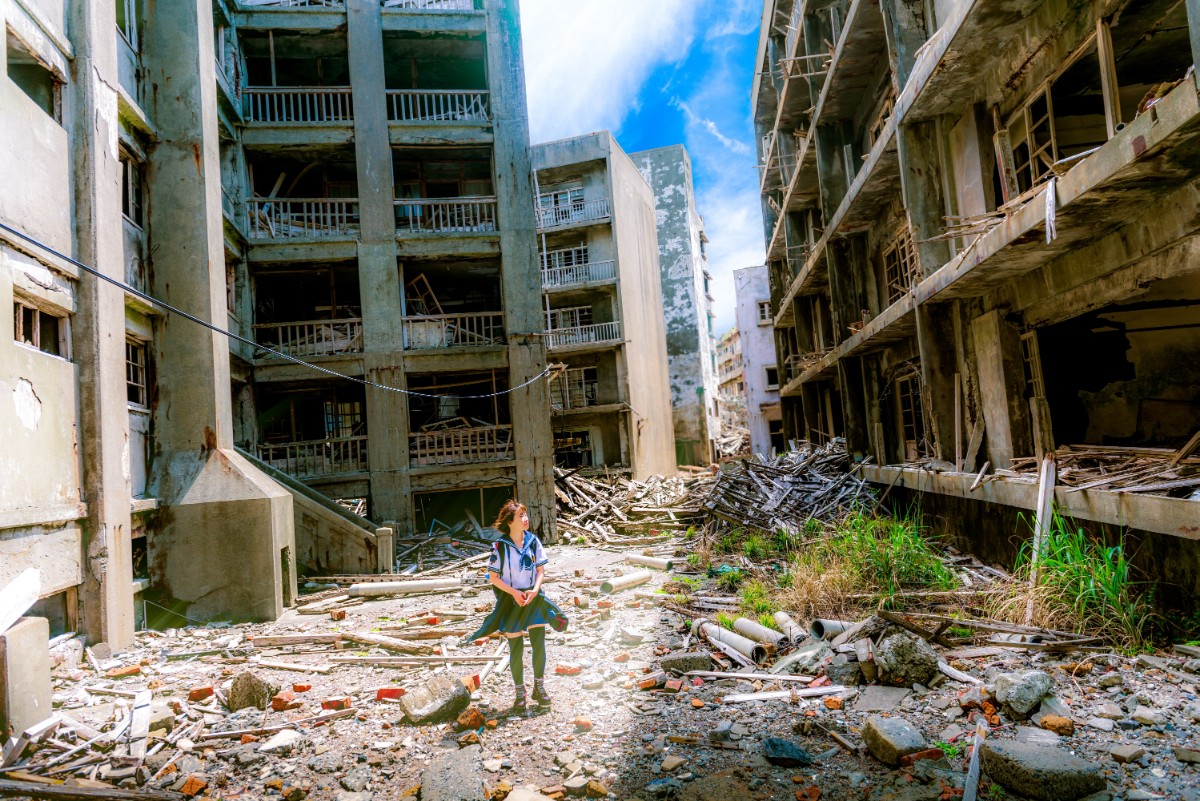
How Childhood Neglect Affects Your Sense of Self
Through mirroring, copying, imitating, identifying, reacting, and parental affect regulation you slowly learn to find your way in life. When you have laid an emotional foundation, you can then further start to explore your likes and dislikes. What you are attracted to and what repulses you, and what will be your direction in life.
When you grow up with an absence of reference or example in your early years, that emotional foundation, on the whole, is missing. This is more so the case with neglect than abuse; with abuse, you still, through reaction, establish a sense of self. With severe child neglect, often that is missing.
What makes severe child neglect stand out is that it hijacks the development of your identity and sense of self. With abuse, you still have a reference point as to who you are and "that" you are. Even if that is through negative attention.
As a result of severe neglect, your need to feel validated, recognised, or accepted in life will mostly be directed outward onto others. That very search for validation is an attempt to compensate for the void that you feel inside yourself, which came into being through childhood neglect, and which is an attempt to find some sense of meaning in your existence.
Emotional Neglect, People-Pleasing, and How It Affects Relationships
From there on it can become gridlocked into a habitual pattern of continually trying to please others while being met by further rejection or even abuse, thereby making you crave more attention, recognition, and meaning in your life.
The mechanism of continually searching outside of yourself for validation and acceptance can make you very vulnerable to further abuse.
I am aware this description makes childhood neglect and its repercussions into adulthood look very bleak. Unfortunately, for many, this is their reality.
How Childhood Neglect Rewires the Nervous System
What makes neglect particularly insidious is that it leaves few visible marks. There is no event to point to, no dramatic rupture. The damage is in what was absent—the attunement, the mirroring, the co-regulation that a developing nervous system needs in order to learn what safety feels like.
Without that input, the nervous system develops in a state of low-level threat. Not the sharp activation you see with abuse, but a quieter, more pervasive dysregulation. The body learns that connection is unreliable, that needs will not be met, and that the safest strategy is to either withdraw inward or to orient entirely toward others to secure some sense of belonging.
This is why adults who experienced childhood neglect often describe a feeling of emptiness or hollowness that they cannot quite name. It is not a memory—it is the absence of something that should have been there. And that absence is encoded in the nervous system as a baseline state, not as a discrete event. Working with it requires somatic approaches that can reach what was never built, not just what was broken.
Neglectful Parenting and Why You Might Idolise the Neglectful Parent
Neglectful parenting and domestic abuse come in all shapes and sizes. What is often the case is that one parent in a relationship is more dominantly abusive and overbearing than the other. The unequal relationship between them is likely based on their past pains and unresolved issues and has formed, for better or worse, their symbiotic coexistence.
Neglect is as hurtful as abuse and is in itself a form of abuse. When you are born into a family where, say, the mother is verbally and physically abusive, and the father turns a blind eye; in this case, the father is considered to be complicit through his negligent attitude towards the abuse.
From a child's perspective, however, being subjected to abuse from one parent might mean that we idolise the neglectful parent. This may seem illogical from an adult perspective, but from a child's point of view, this is a survival choice. When one parent is overly abusive, then the neglectful parent might feel as if they are the only one who understands.
In the above example, the father feels just as helpless as the child to stand up, protect, and set boundaries. As a result, he perpetuates an abusive situation. He makes the child a victim of his shortcomings.

Accessing and Owning the Hurt of Neglect
When working through childhood abuse, the traumatic memories and emotions related to the abusive and overbearing parent will be more readily available to access and work with than those of the neglectful parent.
Once that residual emotion is owned and processed, it is necessary to work to change the child's perspective of the neglectful parent and place it in a different light.
This is challenging and takes an enormous effort to access because of the idolisation of the neglectful parent.
The aim is to shift perception to an adult integrated perspective and to allow, feel, and voice one's emotions based on the new healthy perspective. It is to give back to each parent their responsibility and re-own healthy boundaries, self-respect, and values.
Sorting out the relationship we have with our parents is one of the most challenging tasks we have to do in our lives. Once we accomplish this, it will greatly improve all relationships and whom you attract to form those relationships.
Working with the Void: A Somatic Exercise
As an exercise, can you start with feeling into the pleasing and searching for recognition part of yourself? Can you track what it does to your energy, how it pulls you outside of yourself, and how you become invested in anticipating someone else's reaction? Now hold yourself there for a moment without judging yourself and without trying to change that pattern. Notice the compulsion and the habit of it without letting further thoughts come in. Stay with feeling the pleasing part of yourself and how it increases your anxiety because of your focus outward and the disconnection from your body.
Try now to shift your attention back to your own body for a moment by following your breathing for a few cycles and see what that does for you. By being attentive to and questioning this hardwired pleasing and searching for validation pattern, you create a little space for change by making the pattern a little less hardwired. In time, and with practice, you will find that you are able to see the difference that makes for you.
When you shift your awareness to your body and your breathing, you help regulate the anxiety around this pattern. That is the first step.
Once you have done this for a few cycles and can do it, can you from there feel into the pleasing once more, but without projecting it or relating it to anyone or anything in your life right now? Allow yourself to "hold" that pleasing state and ask yourself: "What is the underlying feeling that makes me channel my energy into pleasing and constantly searching for recognition, validation, and acceptance?"
It is this genuine exploring that will connect you to the pain and void within you. And which will relate directly to the neglect and abandonment you suffered.
You will have to go slowly and carefully here because if you dive in too deeply, too quickly, you will drown in that pain and from there dissociate again. So you have to go slowly! Whenever you start to feel that pain surfacing—as you listen to the pleasing part of yourself—you will have to measure for yourself how much of what comes up at that moment you can safely hold. When you reach your threshold, go back to your breathing and assist yourself to regulate yourself. If you have gone over your limit and feel activated, go for a walk. And come back to doing this work when you feel more contained again.
If you feel incapable of doing this on your own, you should reach out for help. A skilled therapist can help guide you working through childhood neglect.
Ready to Go Deeper into Understanding Dissociation?
One of the challenges of working through trauma is understanding dissociation. Dissociation isn't only a shutdown state — when you've been exposed to prolonged periods of abuse or neglect, you most likely have various layers of coping mechanisms in place. And without mapping them out first, you'll likely get stuck treating one symptom only.
In the Dissociation & Trauma Recovery Masterclass, I walk you through exactly how these layers connect — and how to work through them somatically.
In this Masterclass, I go into:
- ✦Why you dissociate and the various layers of dissociation
- ✦Examples and variations of how you dissociate
- ✦Infographics to help you map out your own layers of dissociation
- ✦Guided somatic exercises to work through the emotional residue of each layer
- ✦A structured approach toward trauma recovery
Get Access to the Masterclass →
Originally $75 live — now available as a recording for just $37



34 Comments
Excellent writing and insight Roland. Recently, in EMDR reprocessing I saw how as a child I was unable to speak about the very abusive situation where I needed my parents to protect me. How overwhelming trauma can take the very voice away from a child. There are no words to say. I have been healing myself an entire lifetime. Regardless of this fact, I now see that each parental stance, each one carried their own trauma history presented the perfect weather for the next generation to experience trauma. More neglect than violent, easy to spot physical abuse. EMDR is really a miracle experience for me to gather insight from the memories I have silently and unknowingly painful carried a lifetime.
Hi Donna. Great to hear how clarity has come to you over the years and from your writing it seems you see the intergenerational play of trauma. The heart indeed is the place we need to come back to.
Hi, I'm new to this blog. When you say "own the hurt" do you mean recognise it so it could be dealt with? I ask because I don't want to own any of this. Thanks, though, for your interesting information.
Hi Hele. I mean to actually start feeling the hurt and contain it and yes there will be some duality with it. Part of you will not want to come close to it while another part of you wants to heal and move on. A healthy therapy process will help you contain and work through the hurt part to release, process or integrate that energy which is present as emotion held within the nervous system. Hope this helps.
I completely identify with this. My father was the clearly most abusive but my mum was too. However, I idolised my mother and felt she had no faults when I was trying to help her leave my father due to his abuse. After living with her for 18 months I realised she too was abusive; just much more covert. Now, I am having to process this new relationship dynamic. No contact is the only way for me until I've at least finished therapy. Thanks for this insight. I hadn't realised until now that this is what I had done.
Hi Lisa. Happy to hear it resonated with you.
Did EMDR, suffer from Fibromyalgia, a chronic pain condition. Father was a schizophrenic and alcoholic. I harboured huge suppressed anger towards my father. I found that I was triggered into defence mode by any man resembling my dad subconsciously. I however did not understand why one of my female therapists would trigger severe anxiety that I could only explain as a child left in a dark room by her mother. This woman resembles my mom. My father passed away and I always loved my mom and defended her against him. Since the EMDR I have sort of started distancing myself from my mom. Seems like something you are talking about. Unfortunately my therapist does not know how to help me and rather decided to abandon me.
This is the trickiest thing to heal. For me it was my mother who was overbearing and controlling, mentally and verbally abusive. My father was gone a lot, either working or hiding behind his newspaper and sports shows. He really wasn't involved much in our parenting. My mum just died two weeks ago and my heart aches for my dad more than myself. I can see how I idealise him. It's so hard to access any difficult emotions I might have toward him. I see so much of myself in him in the men I've chosen and the codependent urge to caretake my men as he did mum.
In my case, my ex-husband was abusive to me. For 16 years I never saw him being abusive to my sons. It was hidden. Only when they were 14 did I become suspicious. Through the attitude of the police, I was able to make a plan to get him out of the house which worked. My sons then started to tell about his physical abuse. Piece by piece over a number of years.
See — now THIS — actual "directions", for lack of a better term at the moment, is EXACTLY what so many of us need. Many of us comprehend what we need to do to even touch the beginning of the healing process — but putting a "verb" into it — this is precisely what is missing, what is keeping many of us stagnant in hopelessness for even SOME sort of recovery. Thank you, Roland. More like this, please!
Excellent. I'll keep them coming.
The crucial difference between abuse and neglect is clearly evoked by Roland. I have forever lived without a sense of self and have always known in my whole body that something huge was wrong with me. I had experienced childhood sexual abuse, but in spite of my perpetual cyclic encounters with the mental health system, I felt hollow and unable to function in talking therapies. This added to my sense of self loathing. Although childhood sexual abuse frightened me, it was nowhere near as debilitating or hyper overwhelming as my underlying everyday body — as a child and as a 'child adult'. Thank you Roland and all who kindly post here.
Brightest, warmest blessings to you. You're not alone, my friend.
It did help. Anchoring, and subtle. Thanks.
Great!
I feel like I am really suffering with resurfacing physical pain, dreams that trigger me and I don't even remember. I have been working with a counselor but feel I need someone really versed in the trauma I endured, alone all through my birth and childhood.
Hi Sherry. Please get in touch with me by message/email and I can put you in touch with a therapist well versed in trauma.
Thank you, thank you. So useful.
Welcome!
Another excellent article Roland.
Good to hear!
Just wow. Thanks Roland. I now know I am "normal". I instinctively did a lot you describe and finding yoga and meditation in my 30s helped a lot. So happy to say that anxiety doesn't overpower me anymore. To all my buddies — you are not alone!
Wow! This is me!! I wish that I could find a therapist that gets it!! This article checks all the boxes AND gives directions to heal!! I'm grateful that I found this site!
I would say my father was so abusive that my mother didn't have any choice in that. I may be defending my mother here, or idolising her, but for me the truth is: my mother wasn't able to go outside alone; she wasn't allowed to meet her relatives, and my father when he would go outside, he would lock the house from outside so that my mother couldn't escape. But on the other hand, now in the present, I'm overly-protective about my mom, and I say to myself that it's my responsibility now to do whatever I can, to keep my mom healthy and happy.
How does this apply when it's alternately both parents who were abusive and neglectful? Dad was physically abusive to mom, both forced me to watch. Both would be verbally psychologically torturing of me, neither was protective. Sometimes Dad could be slightly more protective or so I hoped. Actually not true however.
Wow. Thank you so much. What a gift you have given to people like me, thanks to this blog post. Thank you so much!!
Welcome.
Excellent explanation. Very helpful information.
Good to hear!
This is the part I recognise so well and realise that a lot that happened in my life are consequence of this. In my case it was my mother who neglected, ignored me my whole life. I struggle for an answer that I will never get — why? Why did she do this while my brother and sister were treated like queen and king?
I have switched the idolising several times. Until age 6 it was my father as he had done some protection of me from my depressed and rejecting mother, but then when we moved my mother pushed him out emotionally so I blamed him and hated him for abandoning me, idolising my self-centred mother. Later I saw my mother's nature and my father's sense of humour so I switched the idolising to him. I persisted with this split view of the sexes, being frightened of women for the next 45 years until I had a male therapist who abandoned and rejected me. That brought me to my senses! Your blog here has helped me to see this pattern much more clearly, thank you very much.
I have received multiple emails and neglected to take the time and read the content. This has been really helpful and validates everything I am experiencing. Thank you.
Strange thing reading this article now. I'm currently in a second therapeutic process and I think that the biggest realisation I had until now was that besides my abusive father, I also had a neglectful mother. I have always seen her as the victim of my father's abuse, incapable of defending herself and us. With much difficulty and suffering, I started to see her active role in being passive and uninvolved in all the episodes in which my father was abusing me. She never stood for me although I remember episodes in which I stood out for her. Her role as a mother was just to care for our physical needs, and the emotional needs were met by surprise — my abusive father. He had the availability to offer love and care. It took me so long to see this. I am working on it.
Most accurate literature on childhood neglect I have seen so far. Thank you for doing this amazing work!
Leave a Comment