
The Best Trauma Recovery Books: A Reading List for Healing
Written by Roland Bal
These are some excellent books on neuroscience, brain development, and trauma that I highly recommend reading. Each one has shaped how I understand the nervous system and the somatic work of recovery, and together they make a strong foundation for building a healthy cognitive framework around your own healing.
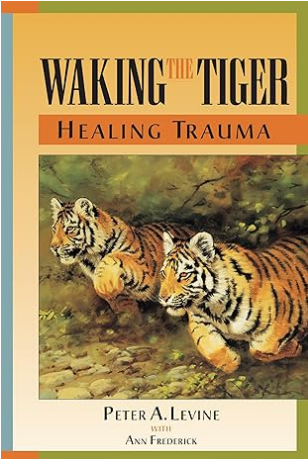
Waking the Tiger: Healing Trauma
Waking the Tiger offers a new and hopeful vision of trauma. It views the human animal as a unique being, endowed with an instinctual capacity. It asks and answers an intriguing question: why are animals in the wild, though threatened routinely, rarely traumatized? By understanding the dynamics that make wild animals virtually immune to traumatic symptoms, the mystery of human trauma is revealed.
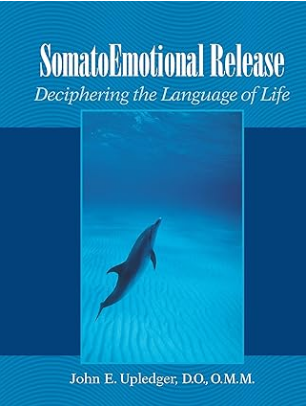
SomatoEmotional Release
SomatoEmotional Release is a technique for bringing psycho-therapeutic elements into CranioSacral therapy. It helps rid the mind and body of the residual effects of trauma by anatomically freeing the central channel of the body. John E. Upledger presents the history, theory, and practice of this subtle form of healing. A result of meaningful, intentioned touch, SomatoEmotional Release allows for identification and removal of energy cysts along with their associated emotions.
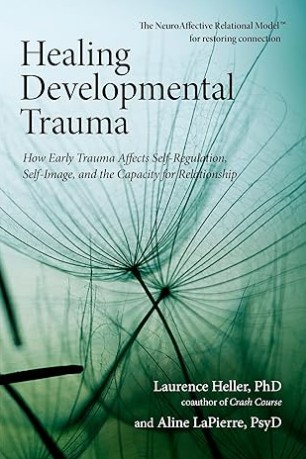
Healing Developmental Trauma
This book focuses on conflicts surrounding the capacity for connection. Explaining that an impaired capacity for connection to self and to others and the ensuing diminished aliveness are the hidden dimensions that underlie most psychological and many physiological problems, NARM is a somatically based psychotherapy that helps bring into awareness the parts of self that are disorganized and dysfunctional without making the regressed, dysfunctional elements the primary theme of the therapy.
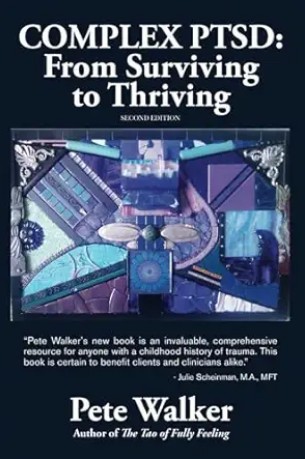
Complex PTSD: From Surviving to Thriving
"Complex PTSD: From Surviving to Thriving" is a comprehensive, user-friendly, self-help guide to recovering from the lingering effects of childhood trauma. It is an overview of the tasks of recovering, and an illumination of the silver linings that can come out of effective recovery work. It contains a great many practical tools and techniques for recovering. It is also copiously illustrated with examples of the author's own and others' journeys of recovering.
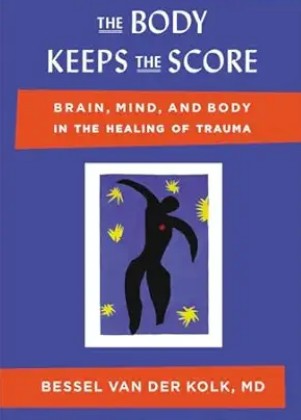
The Body Keeps the Score
In The Body Keeps the Score, Dr. van der Kolk transforms our understanding of traumatic stress, revealing how it literally rearranges the brain's wiring—specifically areas dedicated to pleasure, engagement, control, and trust. He shows how these areas can be reactivated through innovative treatments including neurofeedback, mindfulness techniques, play, yoga, and other therapies. Based on his own research and that of other leading specialists, it offers proven alternatives to drugs and talk therapy—and a way to reclaim lives.
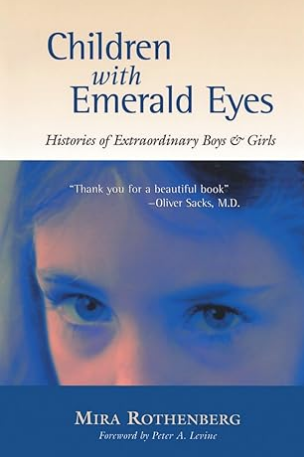
Children with Emerald Eyes
Mira Rothenberg eloquently recounts a lifetime of taking on seemingly hopeless cases and bringing these children, through painstaking therapy and love, back into the world. Unflinchingly honest, whether dealing with the raw pain of her patients' lives or with Rothenberg's own complex feelings for them, Children with Emerald Eyes explores the landscape of mental illness while never losing sight of the humanity within each patient.
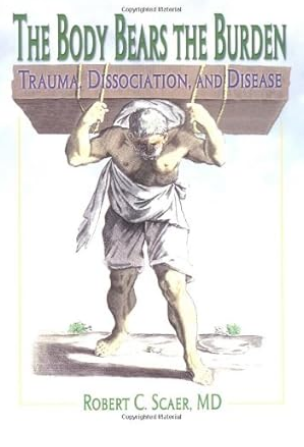
The Body Bears the Burden
Using the clinical model of the whiplash syndrome, this groundbreaking book describes the alterations in brain chemistry and function induced in individuals by what is known as traumatic stress or traumatization—experiencing a life-threatening event while in a state of helplessness. The Body Bears the Burden: Trauma, Dissociation, and Disease presents evidence of the resulting and relatively permanent alteration in neurophysiology, neurochemistry, and neuronal organization.
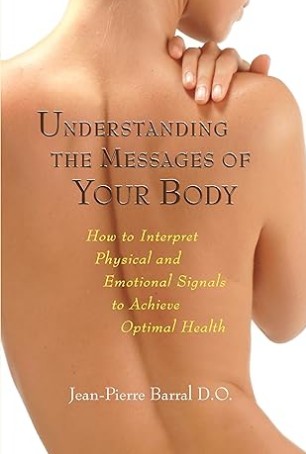
Understanding the Messages of Your Body
Fears, anxieties, traumas, and physical and emotional shocks imprint on the body and remain dormant in its vast memory store until they are roused by an event or encounter. They may manifest in a different form or place—a fearful incident may transform itself into a stomachache or a headache, or even a chronic disease. Pain creates its own path. In particular, psychological and emotional stresses affect the functioning of the internal organs.
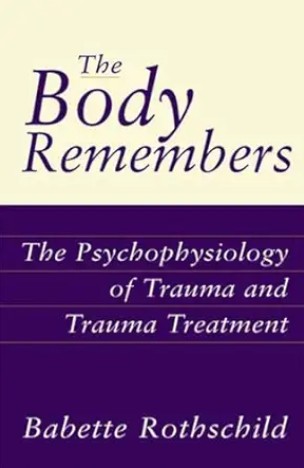
The Body Remembers
This book illuminates that physiology, shining a bright light on the impact of trauma on the body and the phenomenon of somatic memory. It is now thought that people who have been traumatized hold an implicit memory of traumatic events in their brains and bodies. That memory is often expressed in the symptomatology of post-traumatic stress—nightmares, flashbacks, startle responses, and dissociative behaviors. In essence, the body of the traumatized individual refuses to be ignored.
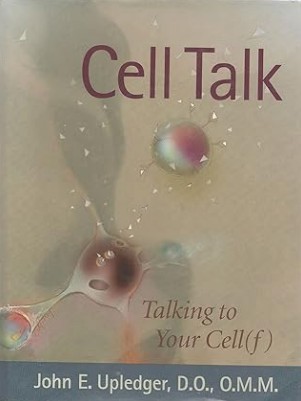
Cell Talk
In Cell Talk, Dr. Upledger presents the conceptual and experiential core of his work. By addressing the relationship between cell activity and consciousness, he strikes at the heart of how living systems form and heal themselves and, indeed, how organisms with minds may exist at all. Understanding how cells communicate and how it is possible to augment their interactions provides us with a new way of catalyzing cure. Its concepts open new vistas of understanding therapeutic options and offer an unabashed look at the possibilities of working with cellular consciousness.
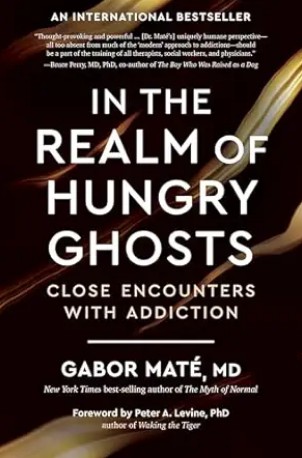
In the Realm of Hungry Ghosts
Dr. Maté presents addiction not as a discrete phenomenon confined to an unfortunate or weak-willed few, but as a continuum that runs throughout (and perhaps underpins) our society; not a medical "condition" distinct from the lives it affects, but rather the result of a complex interplay among personal history, emotional and neurological development, brain chemistry, and the drugs and behaviors of addiction.
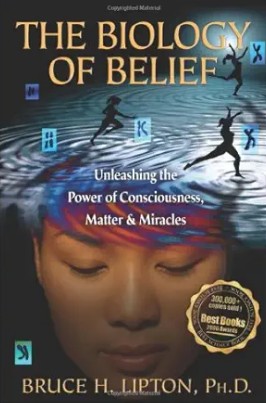
The Biology of Belief
New discoveries have been made about the interaction between your mind and body and the processes by which cells receive information. This book shows that genes and DNA do not control our biology; instead DNA is controlled by signals from outside the cell, including the energetic messages emanating from our thoughts. Dr. Lipton demonstrates how the new science of epigenetics is revolutionizing our understanding of the link between mind and matter and the profound effects it has on our personal lives and the collective life of our species.
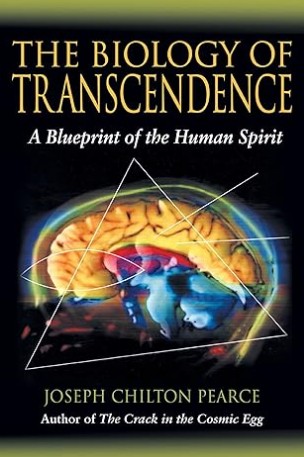
The Biology of Transcendence
Pearce explores how a "biological imperative" drives our life into ever-greater realms of being—even as the "cultural imperative" of social conformity and behavior counters this genetic heritage, blocks our transcendent capacities, and breeds violence in all its forms. The conflict between religion and spirit is an important part of this struggle. But each of us may overthrow these cultural imperatives to reach "unconflicted behavior," wherein heart and mind-brain resonate in synchronicity, opening us to levels of possibility beyond the ordinary.
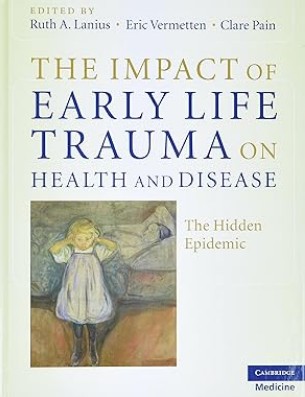
The Impact of Early Life Trauma on Health and Disease
There is now ample evidence from the preclinical and clinical fields that early life trauma has both dramatic and long-lasting effects on neurobiological systems and functions that are involved in different forms of psychopathology as well as on health in general. To date, a comprehensive review of the recent research on the effects of early and later life trauma is lacking, and this volume helps fill that gap.
Which trauma recovery books would you add to this list? Leave your comment below.
Ready to Move Out of Dissociation, Fatigue, and Anxiety?
The Trauma Care Package gives you a structured, somatic approach you can use from home — at your own pace — to work through emotional residue.
With the Trauma Care Package, you can:
- ✦Better manage your anxiety and feeling triggered
- ✦Turn suppressed anger into healthy boundaries and confidence
- ✦Unlock trapped energy from shutdown, chronic pain, and depression
- ✦Work from home, at your own pace — lifetime access, use as often as you need
See What's Inside the Package →
6 eBooks + 12 Guided Meditations — One-time payment



3 Comments
Hello there, Thank you for all your articles which are very helpful & informative. I would add a couple of books to your list: CPTSD by Pete Walker & The Tao of Fully Feeling by Pete Walker. They have helped me on a deeper level, yet the knowledge presented is very easy to read & understand. Thanks, Donna
Excellent resources!
Great resources! I'd add: My Grandmother's Hands by Resmaa Menakem; Healing the Fragmented Selves of Trauma Survivors by Janina Fisher. Another important voice and perspective to consider would be Decolonizing Trauma Work: Indigenous Stories and Strategies by Renee Linklater.
Leave a Comment